Why Is My Iron Leaking Water? 5 Proven Fixes That Work
Why Is My Iron Leaking Water? 5 Proven Fixes That Work
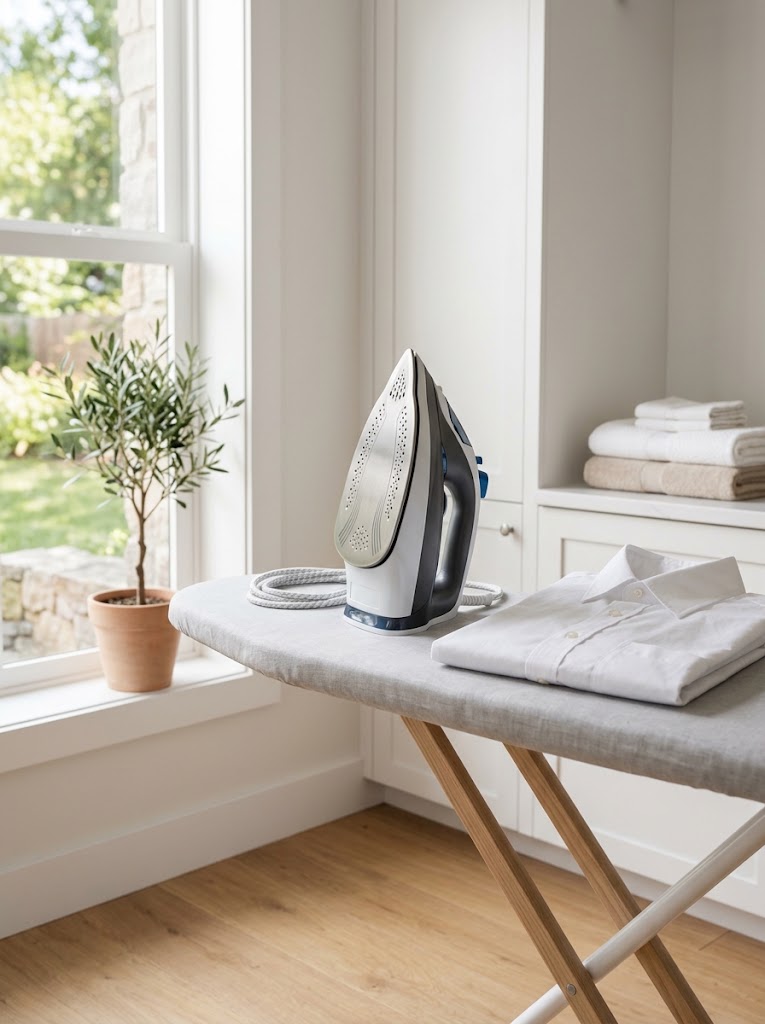
Why is my iron leaking water — I found myself asking this staring at a wet patch spreading across a shirt I was already running late to wear, water dripping steadily from the soleplate even though the iron looked completely normal otherwise. This turns out to be one of those problems with a small number of very specific causes, and figuring out which one applies to you usually takes less time than finishing the ironing itself.
Here’s what’s actually behind it.
The Temperature Is Set Too Low for Steam
This is, by far, the most common cause, and it catches people off guard because it feels unrelated to leaking. Steam irons need a minimum temperature (usually indicated on the dial, often around the “wool” or “silk” setting and above) to actually convert water into steam. If the temperature is set too low while the steam function is switched on, water passes through the soleplate without fully vaporizing, and it drips out instead of releasing as steam.
Fix: Turn the steam function off entirely when ironing at low temperatures, or raise the temperature setting if the fabric allows it.
You’re Using the Steam Function Too Soon After Turning It On
Irons need time to reach their set temperature before steam functions properly. Pressing the steam button before the iron has fully heated up forces cold or lukewarm water through the system, which comes out as leaking water rather than steam.
Fix: Wait for the indicator light (most irons have one) to signal it’s reached temperature before engaging steam, typically 1-3 minutes depending on the model.
Mineral Buildup Inside the Steam Chamber
If you’ve been using regular tap water instead of distilled water, mineral deposits gradually build up inside the iron’s internal steam chamber and vents. This buildup can clog the tiny holes designed to release steam evenly, forcing water to pool and leak out through gaps instead.
Fix: Most irons have a self-cleaning function (check your manual) that flushes mineral buildup using a mix of water and sometimes vinegar. Running this every few weeks, especially if you have hard water, significantly reduces this issue.
Overfilling the Water Tank
Filling the water reservoir past its marked maximum line increases pressure inside the chamber, which can force water out through seams or the steam vents that aren’t designed to handle that volume, especially when the iron is tilted or laid on its side.
A Worn or Damaged Seal
In irons that are several years old, the internal rubber seals around the water tank or steam chamber can degrade over time, creating small gaps that let water escape even under normal use and correct settings. If you’ve addressed temperature, timing, mineral buildup, and fill level, and it’s still leaking consistently, a worn seal is the most likely remaining explanation — and unfortunately, this typically isn’t a DIY-repairable part on most consumer iron models.
Quick Diagnostic Order
- Check the temperature setting matches steam requirements
- Wait for full heat-up before using steam
- Run a self-clean cycle if you’ve been using tap water
- Confirm the tank isn’t overfilled
- If none of these help, the seal is likely worn, and replacement is usually more practical than repair given the low cost of most irons
Final Thoughts
An iron leaking water is rarely a sign of a serious fault — it’s almost always a temperature or timing issue that takes seconds to correct. Switch to distilled water going forward if you haven’t already, since mineral buildup is the sneaky long-term cause that shows up months after everything else seems fine.
FAQs
Q: Should I use tap water or distilled water in my iron?
Distilled water is strongly recommended, as it prevents the mineral buildup that causes leaking, clogged vents, and reduced steam performance over time.
Q: Why does my iron leak water only at the beginning of ironing?
This usually means the steam function is being used before the iron has fully heated up, causing water to pass through before it can properly vaporize.
Q: Is it worth repairing an iron with a worn seal, or should I replace it?
Given that most irons are relatively inexpensive and seal replacement often isn’t user-accessible, replacing the unit is usually the more practical option.